
<p>AWS Secrets Manager now extends its managed external secrets capability to include Databricks and Twilio, enabling you to automatically rotate the credentials that your data pipelines and messaging applications use to call these services. You set up rotation directly from the AWS Management Console or API without writing or maintaining any custom rotation Lambda functions.</p>
<p>Long-lived credentials often stay unrotated because rotation is hard to set up and hard to distribute safely to the applications that use the updated credential. With managed external secrets, you can use Secrets Manager to rotate the Databricks personal access tokens that your jobs and continuous integration and continuous delivery (CI/CD) pipelines use. You can also rotate the service principal OAuth client secrets that your automation workflows use. Each replacement personal access token retains the scopes of the token it replaces, so a narrowly scoped token stays narrowly scoped.</p>
<p>For Twilio, you can use Secrets Manager to rotate the API keys and Auth Tokens that your applications use to send messages and place calls. For both services, you store the credential in Secrets Manager as a managed external secret and set a rotation schedule. Secrets Manager always returns the current credential, so your applications pick up rotated values automatically, with no code changes required.</p>
<p>These integrations join existing managed external secrets support for BigID, Cisco Security Platform, Confluent Cloud, Datadog, GitLab, Jenkins, MongoDB Atlas, Netskope, Paddle, Salesforce, Snowflake, and SonarQube.</p>
<p>Databricks and Twilio managed external secrets are available in all AWS Regions where AWS Secrets Manager managed external secrets is supported. To learn more, visit the <a href="https://docs.aws.amazon.com/secretsmanager/latest/userguide/managed-external-secrets.html">AWS Secrets Manager managed external secrets documentation</a>.</p>
AWS Secrets Manager adds managed external secrets support for Databricks and Twilio

From the official release
This is a short excerpt. Read the full announcement on the official source.
Continue on aws.amazon.com → (opens in a new window)Related stories
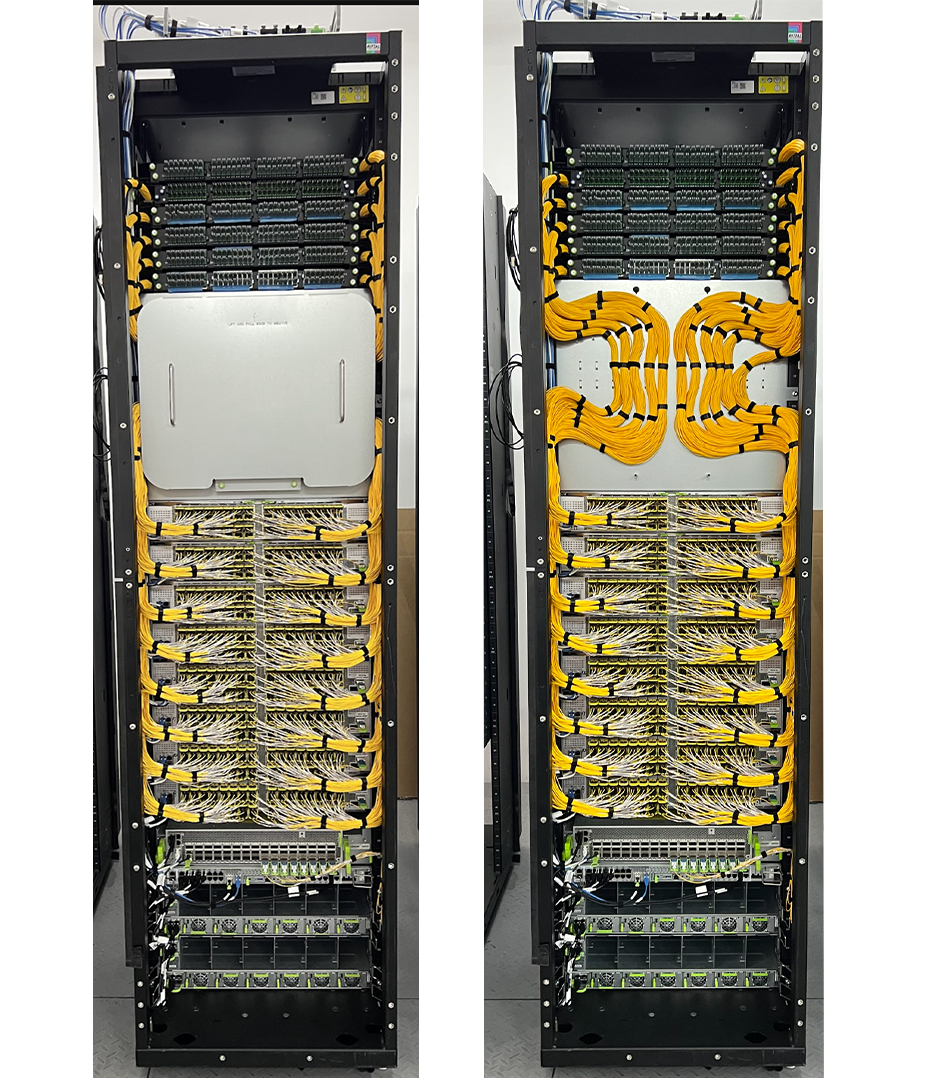
OCP Summit 2026: Powering AI with Open Innovations in Scale-Up, Scale-Out, and Scale-Across Networks
Meta Engineering
At the 2026 Open Compute Project Global Summit, Meta is sharing the next generation of open networking infrastructure, including: Our first liquid-cooled network rack (IcePack), and 102.4T switch platform (IceCube). Flattened Planar Fabric (FPF), a multiplane backend scale-out fa

Agentic AI in Manufacturing: Scale From Pilot to Production
Snowflake Blog
See how manufacturers scale agentic AI from pilot to production with a four-stage roadmap for governed data, autonomous operations and C-suite approval.
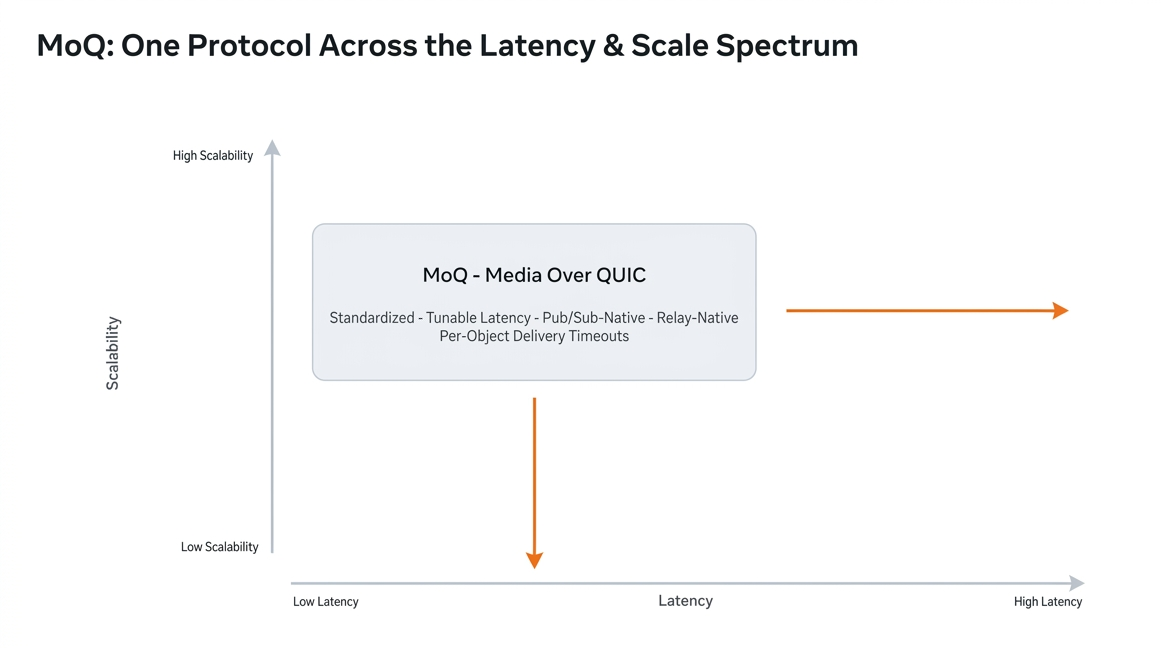
Shipping Media Over QUIC at Meta Scale for Instagram Live Ingest
Meta Engineering
Meta has begun deploying Media over QUIC (MoQ), an emerging open protocol for real-time video streaming at scale. MoQ will help simplify our protocol stack for live streaming video and enhance overall user experience for live video. We’re sharing how we shipped MoQ on Instagram L
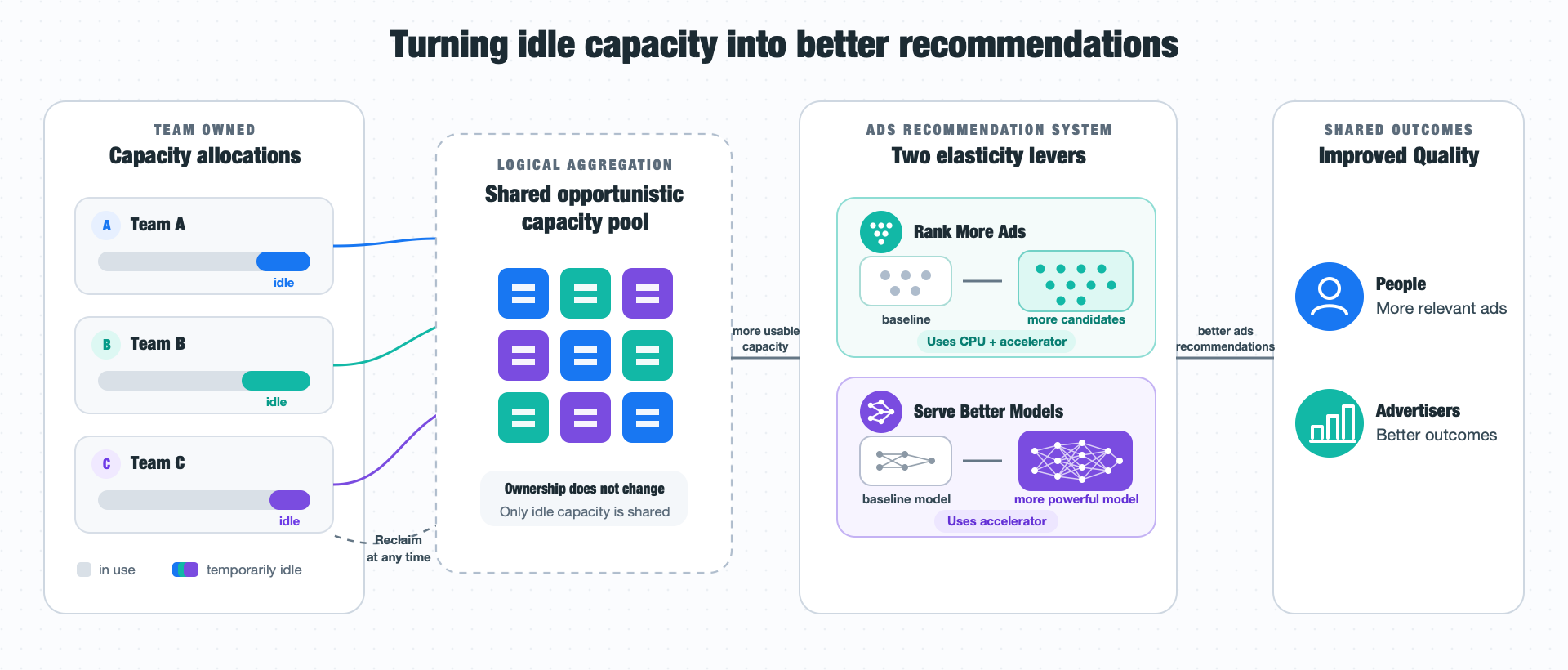
Turning Opportunistic AI Inference Capacity Into Better Ads Recommendations
Meta Engineering
At Meta, we’ve built a system that enhances ads recommendations by leveraging idle inference capacity in our fleet. Two elasticity levers in the system allow ads recommendation work to expand across opportunistic capacity, without compromising baseline performance. This post desc

Introducing Semantic Studio: The Semantic View IDE
Snowflake Blog
Semantic Studio is now GA. Author, debug, and deploy semantic views in Snowflake Workspaces — with Snowflake CoCo, git versioning and CI/CD in one place.
AWS Transfer Family supports custom ports for public SFTP servers
AWS What’s New
AWS Transfer Family now lets you configure custom ports on public SFTP servers and choose a communication mode for each port. You can support clients that require different ports or start SFTP connections differently on a single server. Previously, public SFTP servers accepted co