
At Databricks, we continuously develop and evaluate new AI research techniques to...
Official announcementDatabricks Blog
How our AI Research team uses AI Runtime

From the official release
Related stories
Official announcement
Reducing the noise: How Atlassian built an OCSF security lakehouse on Databricks
Databricks Blog
The challenge: Two decades of logging noise at global scaleAtlassian is a global...
Official announcement
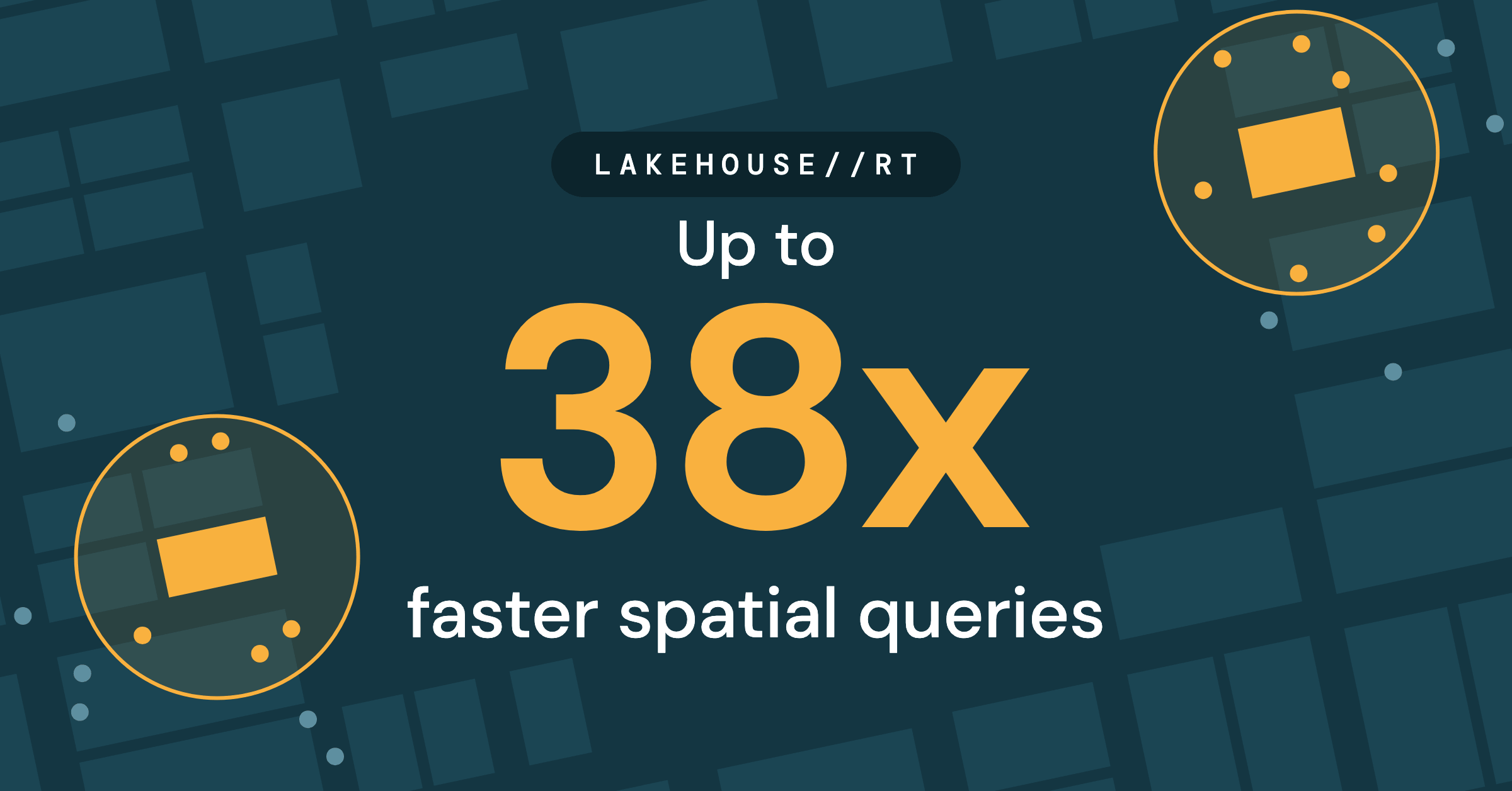
Geospatial queries are up to 38X faster with Lakehouse//RT
Databricks Blog
Spatial SQL and spatial joins now run on Lakehouse//RT and they're up to 38X faster...

Official announcement
Cloudflare and OpenAI: making AI discovery better for everyone
Cloudflare BlogMatthew Conroy
Optimizing your site for AI is of little use if AI can't find it. The answer to someone's question may already be on your website: the installation guide you spent a week writing, or a first-hand account of using a product, with the details that make the difference for whether th

Official announcement
Yandex outage: Data shows that instead of going dark, malicious bots went on the move
Cloudflare BlogMarina Elmore
Following reported strikes on Yandex data centers, claims circulated on the Internet that Russian bot farms and influence operations had been knocked offline. HTTP traffic charts showed steep drops, fueling speculation that the infrastructure damage had stopped these malicious ac
Official announcement
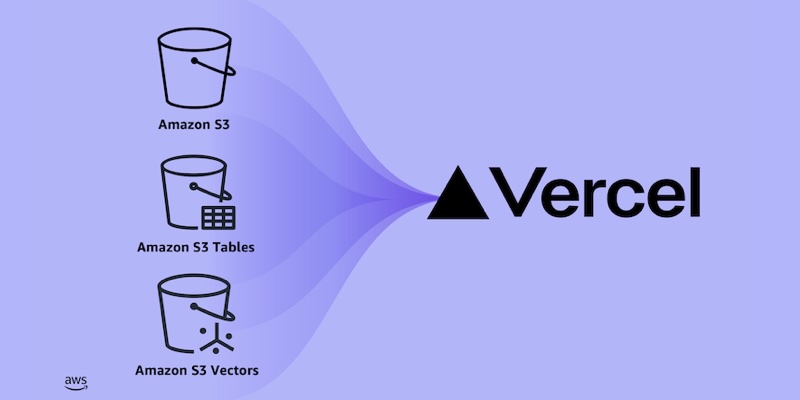
Amazon S3 is now available on the Vercel Marketplace and v0 by Vercel
AWS News BlogDaniel Abib
Developers building web and AI applications on Vercel can now add Amazon S3 storage resources directly from the Vercel Marketplace and v0, combining the durability, scalability, and performance of S3 with the convenience of Vercel’s provisioning workflow. Starting today, Amazon S

Official announcement
Inside Hyperdrive: How we solved a rare Hyperdrive MySQL caching bug
Cloudflare BlogPranoy Dutta
Hyperdrive support for MySQL is now generally available (GA). Hyperdrive , Cloudflare’s database connection pooler for Workers, initially only supported Postgres. Since we announced the beta for MySQL protocol support last year, we have been working on making our MySQL handling a