Key takeaways 6 min read
Official announcementDell Blog
Portable Intelligence: Why AI Belongs Where Work Happens
Portable intelligence is reshaping enterprise AI. Open-weight models let organizations choose where AI runs, from the desk to the data center.

-
AI is becoming portable. Open-weight models let organizations run, fine-tune and deploy AI where work happens, not just in the cloud.
- Enterprise AI is increasingly hybrid. The future is not proprietary versus open-weight models. It’s choosing the right model, in the right environment, for the right workload.
- Infrastructure is now a strategic advantage. Modern AI workstations and the Dell AI Factory with NVIDIA enable developers to build, test and scale AI seamlessly from the desk to the data center.
For years, enterprise AI assumed intelligence lived in the cloud. If you wanted the most capable AI, you went to it and used the latest frontier model. Open-weight models are changing that. Intelligence is becoming portable. And once intelligence can move to where work happens, infrastructure suddenly matters in a completely different way.
First, what are open-weight models?
Open-weight models make their trained parameters — or ‘weights’ — the model learned during training publicly available. You can download them, run them on your own hardware and fine-tune them on your own data, instead of relying solely on a hosted API to do what you need.
This matters because enterprise AI is no longer a single-vendor, single-deployment story. It’s becoming hybrid — and quickly.
Portable intelligence changes everything
Not long ago, discussions around open-weight AI models centered on one question: Are they ready for the enterprise?
Today, that question has shifted altogether to: Which models should run where?
Organizations are no longer choosing between proprietary and open-weight models. They’re building hybrid AI strategies that use the right model for the right workload, in the right environment. It’s about portable intelligence versus hosted intelligence.
“Hosted intelligence says: “Come to me.”
“Portable intelligence says: “I’ll come to you.”
Now, AI no longer has to live exclusively behind someone else’s API. It can run alongside your applications, your data, your workflows and your people.
That’s a fundamental shift.
Bringing intelligence to where the work happens
Open-weight models don’t eliminate the important role that cloud-hosted, closed frontier models play. They eliminate the assumption that every AI workload belongs there.
Cloud infrastructure will remain essential for many use cases. Some workloads should absolutely run in hyperscale cloud infrastructure. Some belong in the enterprise data center. But increasingly, many workloads belong right at the desk — and open-weight models are helping make that possible.
They give organizations something they’ve always valued: choice. The choice to run AI workloads where it makes the most operational and economic sense, to customize models for their industries or business processes and to avoid locking their entire AI strategy to a single provider.
None of that means closed models are the wrong choice. It means they shouldn’t be the only choice. The future of enterprise AI isn’t one model. It’s many models working together, getting better as models, data and platforms improve and evolve. With the open AI ecosystem now surpassing three million models on Hugging Face, innovation is happening at a scale no single provider can match. And that is the reality of modern enterprise AI.
Why deskside suddenly matters
Three years ago, local AI meant tiny models. Serious AI meant the cloud. That’s no longer true.
Today’s open-weight models are capable enough — and modern AI workstations and GPUs are powerful enough that developers can build, test, evaluate and iterate on sophisticated AI applications entirely from their desks.
The workstation isn’t competing with the cloud. It’s becoming the place where AI innovation begins.
Where deskside agentic AI changes the game
This is where infrastructure shifts from being a deployment decision to a developer productivity decision. Every prompt against a hosted API is a metered cost, and a developer iterating on an agent can burn through thousands a day. Every prompt on a deskside system is free after purchase — and the data never leaves the building. That’s where Dell’s Deskside Agentic AI portfolio comes in, bringing up to 1 trillion parameter open models anywhere.
The Dell Pro Max with GB10 puts 128GB of unified memory and a petaflop of AI performance on a developer’s desk. This gives individual developers and data scientists a powerful deskside environment to run, experiment with and fine-tune models up to 200 billion parameters.
For teams whose applications, ISV certifications, or IT standards call for a traditional x86 workstation, the Dell Pro Precision 9 Towers are the connective tissue that pair Intel Xeon 6 processors with up to NVIDIA RTX Pro 6000 Blackwell GPUs — on the trusted Dell workstation foundation IT already knows how to deploy, manage and secure.
And then, as projects scale, the Dell Pro Max with GB300 enables teams to tackle larger models, up to 1 trillion parameters, for production-grade development and local inference at serious scale.
Deskside is no longer just where work gets done. From there, workloads can scale seamlessly across the Dell AI Factory with NVIDIA without a rewrite: the deskside systems run the same NVIDIA software stack as the data center, so what a developer builds at the desk is what runs in production.
Supporting an open AI ecosystem and the power of choice
Open-weight models have accelerated research, expanded access to advanced AI capabilities and enabled developers, startups, enterprises and researchers to build solutions that might not otherwise have been possible.
Dell believes supporting an open AI ecosystem helps foster continued innovation while giving customers greater flexibility to shape AI around their own needs.
That’s the thinking behind the Dell AI Factory with NVIDIA. It’s not an open-weight-only play or a frontier-only play. It’s designed for the reality that most enterprises will use both, often simultaneously — leveraging foundation models where they make sense and open-weight models where customization, privacy, governance or economics make local deployment the better choice.
The best closed models still lead on some benchmarks. But on the tasks that developers spend their day on — coding, tool use, agent workflows — the gap has narrowed to the point where it is often outweighed by cost, control and data residency. And they need infrastructure that makes moving between those worlds seamless.
Open-weight models are making intelligence portable. And Dell provides the infrastructure to put that intelligence where customers choose — from the desk to the data center.
Related stories
Official announcement
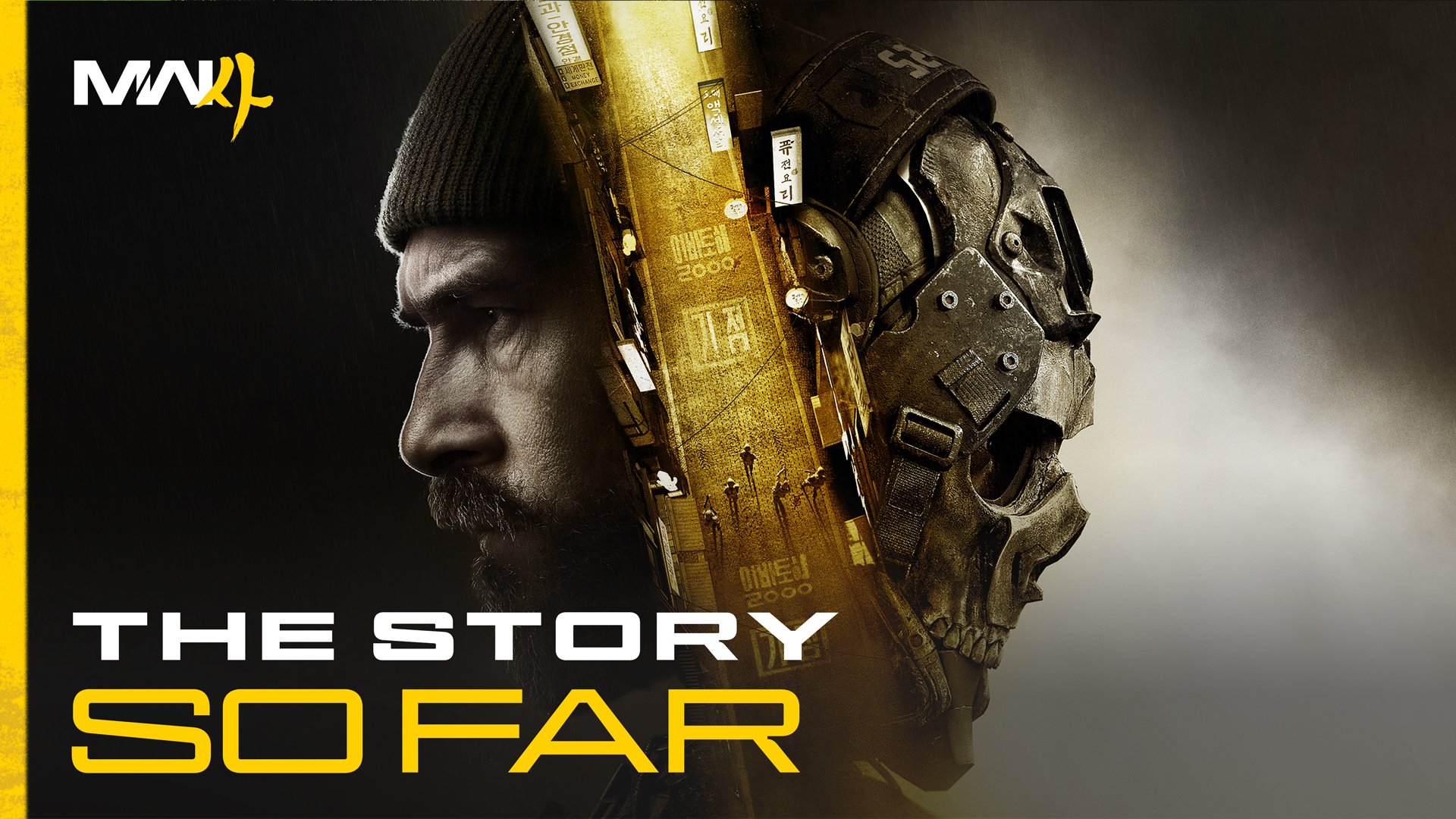
Call of Duty: Modern Warfare 4: The Story So Far
Xbox WireMike Nelson, XBOX Wire Editor
The post Call of Duty: Modern Warfare 4: The Story So Far appeared first on XBOX Wire .
Official announcement
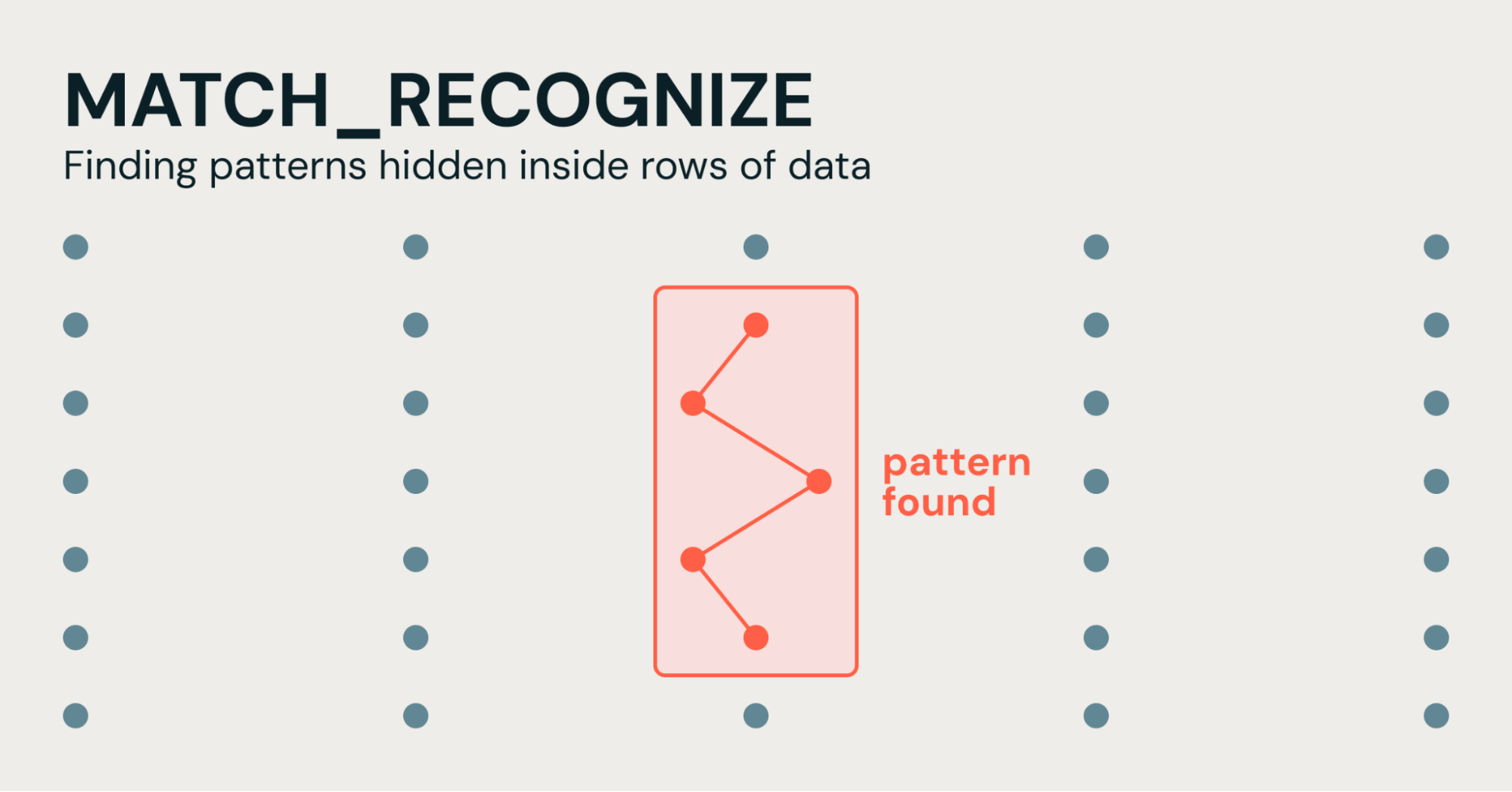
"Regex for Rows": Simplifying Pattern Detection in SQL with MATCH_RECOGNIZE
Databricks Blog
Imagine you work in cybersecurity and you have a table that tracks login attempts...

Official announcement
A Validated Path to Enterprise AI Governance with JFrog and Dell
Dell Blog
Build a governed AI software supply chain with JFrog, Dell AI Factory with NVIDIA, and Dell Automation Platform.

Official announcement
Two Texas Icons: How Dell Helps the San Antonio Stock Show & Rodeo Grow Its Mission
Dell Blog
The San Antonio Stock Show & Rodeo serves 20,000 Texas students a year. See how Dell Technologies keeps the event running and the mission growing.

Official announcement
Dell PowerStore AI Skills: Smarter Storage Operations
Dell Blog
See how AI skills with pstcli let admins manage Dell PowerStore in natural language – with faster health checks, performance analysis, and secure operations.
Official announcement
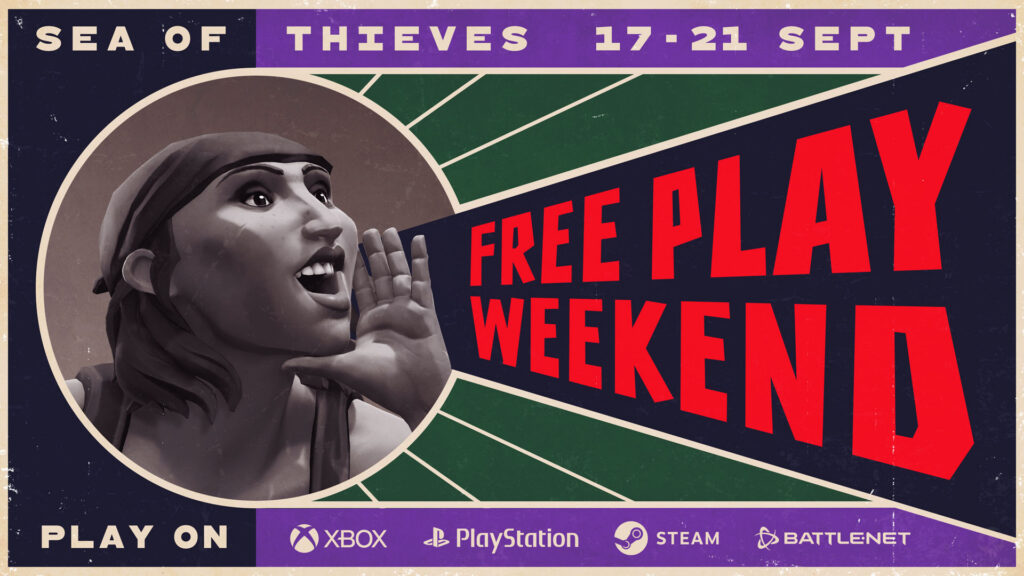
Sea of Thieves: Season 21, Talk Like a Pirate Day, New Rewards, Amazing Prizes and More!
Xbox WireJoe Skrebels, XBOX Wire Editor-in-Chief
Sea of Thieves : Season 21 is landing, and everyone’s welcome on the waves in time for Talk like a Pirate Day – we’re bringing new items, rewards, and sweepstakes for amazing prizes. And it all starts with a Free Play Weekend. From September 17 at 15:00 UTC (through to September