
[
Official announcementHugging Face Blog
GPU Management: Why Idle GPUs Are the New Grounded Aircraft
Dharma-AI/Dharma-OCR-LITE תמונה-טקסט לטקסט • 4B • עודכן 17 באפריל • 852 • 21

Unsplash (שימוש מסחרי חופשי)
Dharma-AI/Dharma-OCR-LITE Image-Text-to-Text • 4B • Updated Apr 17 • 673 • 21
](/Dharma-AI/Dharma-OCR-LITE)
## Spaces mentioned in this article 1
More from this author
[
Same Cluster, 33 Points More Utilization: What Changed Was the Order
-
-
17
August 17, 2026
](/blog/Dharma-AI/gpu-management-pt2)
[
Newer Models, Same Advantage
-
-
57
July 16, 2026
](/blog/Dharma-AI/newer-models-same-advantages)
Community
The next frontier is managing an entire fleet of agents and there is nothing stopping it.</p>\n","updatedAt":"2026-07-30T17:54:18.152Z","author":{"_id":"69efeb839255a6a81398f6af","avatarUrl":"/avatars/31cf43fab2e1aaa5c4a6aa2310c8e193.svg","fullname":"Suranto","name":"Mikeleton","type":"user","isPro":false,"isHf":false,"isHfAdmin":false,"isMod":false,"isUserFollowing":false}},"numEdits":0,"identifiedLanguage":{"language":"en","probability":0.9737027287483215},"editors":["Mikeleton"],"editorAvatarUrls":["/avatars/31cf43fab2e1aaa5c4a6aa2310c8e193.svg"],"reactions":[],"isReport":false},"replies":[{"id":"6a6d0a73f2f02aadd53c048e","author":{"_id":"67b22efa9b36260fe286e99f","avatarUrl":"https://cdn-avatars.huggingface.co/v1/production/uploads/67b22efa9b36260fe286e99f/vm2fyO1NSqmjcIuyeF6PQ.jpeg","fullname":"Gabriel Pimenta de Freitas Cardoso","name":"GabrielPimenta99","type":"user","isPro":false,"isHf":false,"isHfAdmin":false,"isMod":false,"followerCount":22,"isUserFollowing":false,"primaryOrg":{"avatarUrl":"https://cdn-avatars.huggingface.co/v1/production/uploads/67b22efa9b36260fe286e99f/5XWR_0JJv0gy6PRN9WDMF.png","fullname":"Dharma-AI","name":"Dharma-AI","type":"org","isHf":false,"details":"Specialized Small Language Models; Optimized Fine-Tuning; Efficient Inference","plan":"team"}},"createdAt":"2026-07-31T20:49:55.000Z","type":"comment","data":{"edited":false,"hidden":false,"latest":{"raw":"Agreed. And the part that isn't priced in yet: a fleet of agents makes per-token cost scale linearly with the business. At some point large enterprises stop paying that curve and bring the models in-house — which doesn't remove the cost, it just trades a vendor price list for a utilization number. And agent fleets are brutal on utilization: real-time inference under latency SLAs, batch jobs, retraining, evals — all bursty, all fighting over the same finite pool. Managing the fleet is going to be, in large part, a GPU scheduling problem.","html":"<p>Agreed. And the part that isn't priced in yet: a fleet of agents makes per-token cost scale linearly with the business. At some point large enterprises stop paying that curve and bring the models in-house — which doesn't remove the cost, it just trades a vendor price list for a utilization number. And agent fleets are brutal on utilization: real-time inference under latency SLAs, batch jobs, retraining, evals — all bursty, all fighting over the same finite pool. Managing the fleet is going to be, in large part, a GPU scheduling problem.</p>\n","updatedAt":"2026-07-31T20:49:55.496Z","author":{"_id":"67b22efa9b36260fe286e99f","avatarUrl":"https://cdn-avatars.huggingface.co/v1/production/uploads/67b22efa9b36260fe286e99f/vm2fyO1NSqmjcIuyeF6PQ.jpeg","fullname":"Gabriel Pimenta de Freitas Cardoso","name":"GabrielPimenta99","type":"user","isPro":false,"isHf":false,"isHfAdmin":false,"isMod":false,"followerCount":22,"isUserFollowing":false,"primaryOrg":{"avatarUrl":"https://cdn-avatars.huggingface.co/v1/production/uploads/67b22efa9b36260fe286e99f/5XWR_0JJv0gy6PRN9WDMF.png","fullname":"Dharma-AI","name":"Dharma-AI","type":"org","isHf":false,"details":"Specialized Small Language Models; Optimized Fine-Tuning; Efficient Inference","plan":"team"}}},"numEdits":0,"identifiedLanguage":{"language":"en","probability":0.9328820705413818},"editors":["GabrielPimenta99"],"editorAvatarUrls":["https://cdn-avatars.huggingface.co/v1/production/uploads/67b22efa9b36260fe286e99f/vm2fyO1NSqmjcIuyeF6PQ.jpeg"],"reactions":[{"reaction":"👍","users":["ErickvL"],"count":1}],"isReport":false,"parentCommentId":"6a6b8fcace3e4a2fd6c3dc17"}}]},{"id":"6a6c42007f3b7929687d3a8f","author":{"_id":"66f15a00f7d3e809429a0d0e","avatarUrl":"/avatars/76248e5f0f20e0b0e8e95336e5abb52c.svg","fullname":"blacker","name":"blacker521","type":"user","isPro":false,"isHf":false,"isHfAdmin":false,"isMod":false,"isUserFollowing":false},"createdAt":"2026-07-31T06:34:40.000Z","type":"comment","data":{"edited":false,"hidden":false,"latest":{"raw":"Scheduling is the core bottleneck of this problem. A CPU-like isolation mechanism, or a sandbox-based architecture on GPUs, could significantly alleviate this issue.","html":"<p>Scheduling is the core bottleneck of this problem. A CPU-like isolation mechanism, or a sandbox-based architecture on GPUs, could significantly alleviate this issue.</p>\n","updatedAt":"2026-07-31T06:34:40.079Z","author":{"_id":"66f15a00f7d3e809429a0d0e","avatarUrl":"/avatars/76248e5f0f20e0b0e8e95336e5abb52c.svg","fullname":"blacker","name":"blacker521","type":"user","isPro":false,"isHf":false,"isHfAdmin":false,"isMod":false,"isUserFollowing":false}},"numEdits":0,"identifiedLanguage":{"language":"en","probability":0.9256368279457092},"editors":["blacker521"],"editorAvatarUrls":["/avatars/76248e5f0f20e0b0e8e95336e5abb52c.svg"],"reactions":[],"isReport":false},"replies":[{"id":"6a709886abfb77b0f07169d3","author":{"_id":"6825e93ede3594c18b8d97ac","avatarUrl":"/avatars/506583318c7aa57f91ddfaa554e5a377.svg","fullname":"Breno de Almeida Beleza","name":"BrenoBeleza","type":"user","isPro":false,"isHf":false,"isHfAdmin":false,"isMod":false,"followerCount":9,"isUserFollowing":false},"createdAt":"2026-08-03T13:32:54.000Z","type":"comment","data":{"edited":false,"hidden":false,"latest":{"raw":"Good point, isolation is a real part of the picture. CPU-style boundaries (and the GPU sandboxing now landing, like the Kata Containers work) are what make it safe to co-locate unrelated workloads on the same card without fault or memory-contention risk, which widens the set of placements a scheduler is even allowed to make.\n\nTaking that a step further: once co-location is safe, we have to decide which workload runs on which GPU, at what time, at what priority, given that each one wants something different from the hardware (memory footprint, latency tolerance, duration). Isolation gives you a bigger, safer decision space; something still has to pick the right point in it. And rigid partitioning can even cut utilization, since an idle slice can't lend capacity to a busy neighbor.\n\nThat's exactly the direction we're taking next: an intelligent solution for job scheduling. We've got a follow-up article on it in the works, which will be published next week. Would be curious to get your read when it's out.","html":"<p>Good point, isolation is a real part of the picture. CPU-style boundaries (and the GPU sandboxing now landing, like the Kata Containers work) are what make it safe to co-locate unrelated workloads on the same card without fault or memory-contention risk, which widens the set of placements a scheduler is even allowed to make.</p>\n<p>Taking that a step further: once co-location is safe, we have to decide which workload runs on which GPU, at what time, at what priority, given that each one wants something different from the hardware (memory footprint, latency tolerance, duration). Isolation gives you a bigger, safer decision space; something still has to pick the right point in it. And rigid partitioning can even cut utilization, since an idle slice can't lend capacity to a busy neighbor.</p>\n<p>That's exactly the direction we're taking next: an intelligent solution for job scheduling. We've got a follow-up article on it in the works, which will be published next week. Would be curious to get your read when it's out.</p>\n","updatedAt":"2026-08-03T13:32:54.414Z","author":{"_id":"6825e93ede3594c18b8d97ac","avatarUrl":"/avatars/506583318c7aa57f91ddfaa554e5a377.svg","fullname":"Breno de Almeida Beleza","name":"BrenoBeleza","type":"user","isPro":false,"isHf":false,"isHfAdmin":false,"isMod":false,"followerCount":9,"isUserFollowing":false}},"numEdits":0,"identifiedLanguage":{"language":"en","probability":0.9595561623573303},"editors":["BrenoBeleza"],"editorAvatarUrls":["/avatars/506583318c7aa57f91ddfaa554e5a377.svg"],"reactions":[{"reaction":"👍","users":["ErickvL","GabrielPimenta99"],"count":2}],"isReport":false,"parentCommentId":"6a6c42007f3b7929687d3a8f"}}]},{"id":"6a7703cfc961dfc90e3e3ecb","createdAt":"2026-08-08T10:24:15.000Z","type":"comment","data":{"edited":true,"hidden":true,"hiddenBy":"","latest":{"raw":"This comment has been hidden","html":"This comment has been hidden","updatedAt":"2026-08-19T14:05:19.080Z"},"numEdits":0,"editors":[],"editorAvatarUrls":[],"reactions":[]}},{"id":"6a7b322f18c8c3ca299106af","author":{"_id":"6a5f540e8a30e0660988ea8f","avatarUrl":"https://cdn-avatars.huggingface.co/v1/production/uploads/noauth/U9AwsZyvT017uoE5buqC0.jpeg","fullname":"Mike Coville","name":"scifiscrivener","type":"user","isPro":false,"isHf":false,"isHfAdmin":false,"isMod":false,"isUserFollowing":false},"createdAt":"2026-08-11T14:31:11.000Z","type":"comment","data":{"edited":false,"hidden":false,"latest":{"raw":"I expect we will see GPU rental systems become a thing. There are a lot of high-end GPUs sitting in consumer computers doing absolutely nothing for 90% of the day. Imagine if individuals could allow a training model to access their GPU remotely and in return pay them something in return. Yes, remote GPUs is not optimal, but with the consumer taking on the maintenance, power bill, and ownership of the GPU, any use the training model gets is a net positive.","html":"<p>I expect we will see GPU rental systems become a thing. There are a lot of high-end GPUs sitting in consumer computers doing absolutely nothing for 90% of the day. Imagine if individuals could allow a training model to access their GPU remotely and in return pay them something in return. Yes, remote GPUs is not optimal, but with the consumer taking on the maintenance, power bill, and ownership of the GPU, any use the training model gets is a net positive.</p>\n","updatedAt":"2026-08-11T14:31:11.484Z","author":{"_id":"6a5f540e8a30e0660988ea8f","avatarUrl":"https://cdn-avatars.huggingface.co/v1/production/uploads/noauth/U9AwsZyvT017uoE5buqC0.jpeg","fullname":"Mike Coville","name":"scifiscrivener","type":"user","isPro":false,"isHf":false,"isHfAdmin":false,"isMod":false,"isUserFollowing":false}},"numEdits":0,"identifiedLanguage":{"language":"en","probability":0.964832603931427},"editors":["scifiscrivener"],"editorAvatarUrls":["https://cdn-avatars.huggingface.co/v1/production/uploads/noauth/U9AwsZyvT017uoE5buqC0.jpeg"],"reactions":[],"isReport":false}}],"status":"open","isReport":false,"pinned":false,"locked":false,"collection":"community_blogs"},"contextAuthors":["ErickvL","GabrielPimenta99","gustavolucchetti"],"primaryEmailConfirmed":false,"discussionRole":0,"acceptLanguages":["*"],"withThread":true,"cardDisplay":false,"repoDiscussionsLocked":false,"hideComments":true}">
The next frontier is managing an entire fleet of agents and there is nothing stopping it.
- See translation
- [
- ](/GabrielPimenta99)
- 1 reply
- ·
Article author [27 days ago](#6a6d0a73f2f02aadd53c048e)
Agreed. And the part that isn't priced in yet: a fleet of agents makes per-token cost scale linearly with the business. At some point large enterprises stop paying that curve and bring the models in-house — which doesn't remove the cost, it just trades a vendor price list for a utilization number. And agent fleets are brutal on utilization: real-time inference under latency SLAs, batch jobs, retraining, evals — all bursty, all fighting over the same finite pool. Managing the fleet is going to be, in large part, a GPU scheduling problem.
See translation
👍
1
1
+
Scheduling is the core bottleneck of this problem. A CPU-like isolation mechanism, or a sandbox-based architecture on GPUs, could significantly alleviate this issue.
- See translation
- [
- ](/BrenoBeleza)
- 1 reply
- ·
Good point, isolation is a real part of the picture. CPU-style boundaries (and the GPU sandboxing now landing, like the Kata Containers work) are what make it safe to co-locate unrelated workloads on the same card without fault or memory-contention risk, which widens the set of placements a scheduler is even allowed to make.
Taking that a step further: once co-location is safe, we have to decide which workload runs on which GPU, at what time, at what priority, given that each one wants something different from the hardware (memory footprint, latency tolerance, duration). Isolation gives you a bigger, safer decision space; something still has to pick the right point in it. And rigid partitioning can even cut utilization, since an idle slice can't lend capacity to a busy neighbor.
That's exactly the direction we're taking next: an intelligent solution for job scheduling. We've got a follow-up article on it in the works, which will be published next week. Would be curious to get your read when it's out.
See translation
👍
2
2
+
deleted
This comment has been hidden
I expect we will see GPU rental systems become a thing. There are a lot of high-end GPUs sitting in consumer computers doing absolutely nothing for 90% of the day. Imagine if individuals could allow a training model to access their GPU remotely and in return pay them something in return. Yes, remote GPUs is not optimal, but with the consumer taking on the maintenance, power bill, and ownership of the GPU, any use the training model gets is a net positive.
See translation
Reply
EditPreview
Upload images, audio, and videos by dragging in the text input, pasting, or clicking here.
Tap or paste here to upload images
Comment · [Sign up](/join?next=%2Fblog%2FDharma-AI%2Fgpu-management) or [log in](/login?next=%2Fblog%2FDharma-AI%2Fgpu-management) to comment
[ Upvote 95
](/login?next=%2Fblog%2FDharma-AI%2Fgpu-management) - [
- ](/anupamkhurana)
- [
- ](/DragonFace)
- [
- ](/mathiasn1)
- [
- ](/tuiko)
- [
- ](/Sameed)
- [
- ](/blitzerrr)
- [
- ](/alifs)
- [
- ](/chengshuo)
- [
- ](/andypiperuk)
- [
- ](/JairoDanielMT)
- [
- ](/trojanfoe)
- [
- ](/ShutterStack)
- +83
Models mentioned in this article 1
Spaces mentioned in this article 1
[
Sleeping
Agents
5
DharmaOCR Lite Demo 📄
5
Extract text and tables from document images
](/spaces/Dharma-AI/DharmaOCR-demo)
Related stories

Official announcement
Giga-Scale AI and the Ethernet Evolution: How Spectrum-X Ethernet Rewrites the Rules
NVIDIA Developer Blog
The massive growth of generative AI has fundamentally altered data center design. As distributed model training scales to span hundreds of thousands of GPUs,... The massive growth of generative AI has fundamentally altered data center design. As distributed model training scales

Official announcement
How AI Coding Agents Can Unlock Materials Simulation with NVIDIA ALCHEMI Toolkit
NVIDIA Developer Blog
Atomistic simulation requires three things: knowledge of the science, compute-efficient implementation of simulations, and accessible interfaces to the... Atomistic simulation requires three things: knowledge of the science, compute-efficient implementation of simulations, and ac
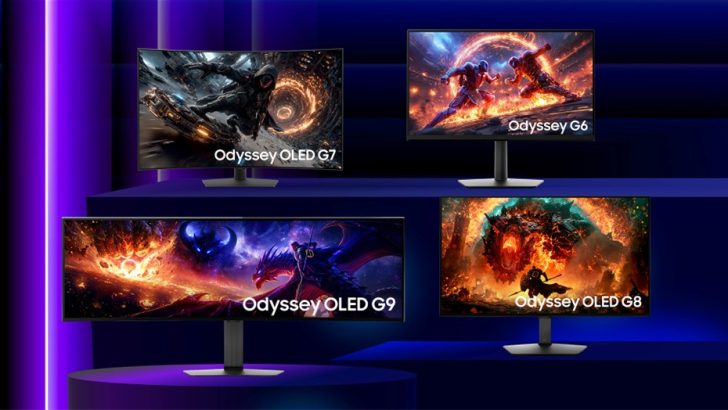
Official announcement
Samsung Introduces New Odyssey Lineup for Fast-Paced Gaming at Gamescom 2026
Samsung Newsroom
Samsung Electronics today announced its 2027 Odyssey gaming monitor lineup at Gamescom 2026, the world’s largest gaming event, being held in Cologne, Germany from Aug. 26-30. The new lineup introduces multiple Odyssey models that feature world-first innovations, empowering player

Official announcement
How we saved 100 terabytes of memory by optimizing 1.1.1.1’s DNS cache
Sebastiaan Neuteboom
Big Pineapple , the platform behind 1.1.1.1 , Gateway DNS , DNS Firewall , AS112 , and several other Cloudflare DNS services, stores over 250 billion DNS cache entries at any given time. At that scale, wasting a single byte per entry costs more than 250 gigabytes of memory across
Official announcement
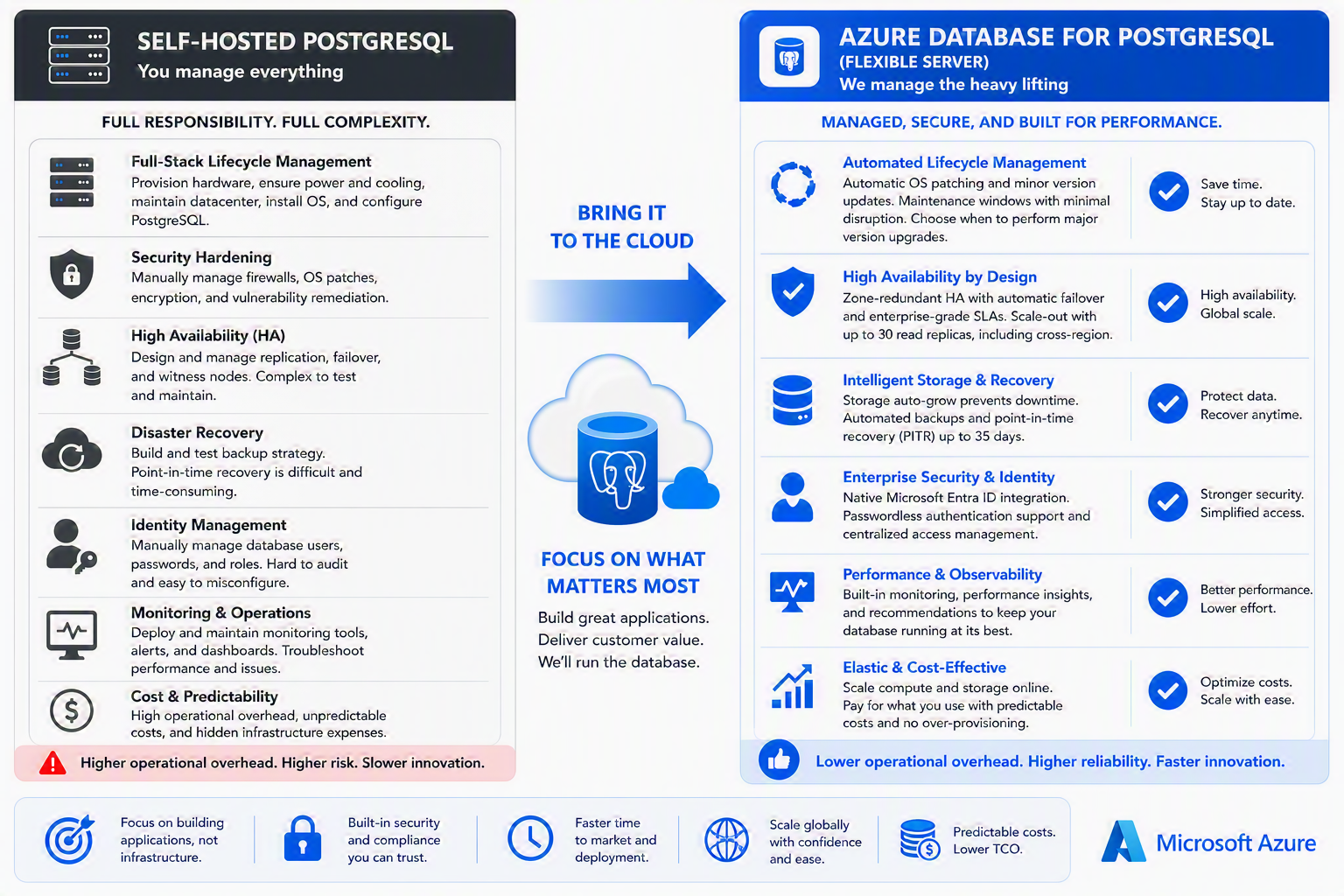
Managed PostgreSQL vs. self-hosted PostgreSQL: Key benefits and trade-offs
Lauro Ojeda
Summary This post is for technical decision makers evaluating where to run production PostgreSQL workloads. It compares two valid operating models—self-managed PostgreSQL and a managed database service—through business and operational outcomes: control, engineering capacity, resi
Official announcement
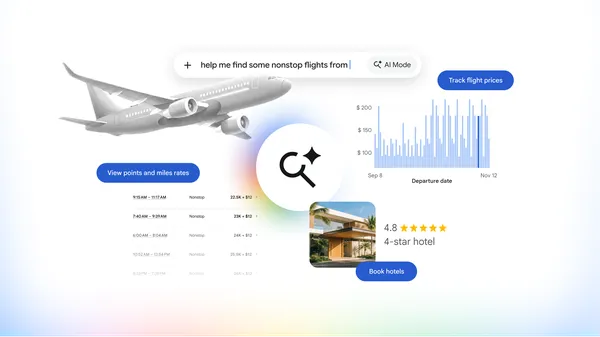
3 new ways to plan and book travel in Search
Google AI Blog
Book hotels and track airfares, plus view miles and rewards with AI Mode in Google Search.