<p>AWS Elemental MediaLive now supports Video Aligned Locking, a new feature to synchronize video pipelines without requiring timecode from the source. Previously, achieving frame-accurate locking across video outputs required investing in specialized hardware or managing complex, external synchronization workflows. While timecode is generally standard for highly produced, traditional broadcast content, it is often unavailable and difficult to manage in typical digital streaming workflows. The new capability uses visual signatures to automatically identify and align specific frames across multiple video streams, enabling customers to achieve frame-accurate input switching across standard pipeline channels, as well as linked, cross-region single-pipeline channels.</p>
<p>Video Aligned Locking supports outputs including HLS, MediaPackage, CMAF Ingest, UDP and SRT. To learn more about how to configure this feature, visit the <a href="https://docs.aws.amazon.com/medialive/latest/ug/pipeline-locking-verify-input.html#pipeline-locking-video-alignment-inputs">Requirements for Video Aligned Locking</a> documentation. For a deeper dive into channel synchronization, visit the guide on <a href="https://docs.aws.amazon.com/medialive/latest/ug/pipeline-lock.html">Implementing Pipeline Locking</a>.</p>
AWS Elemental MediaLive enables frame-accurate pipeline locking for streams without timecode
AWS Elemental MediaLive now supports Video Aligned Locking, a new feature to synchronize video pipelines without requiring timecode from the source. Previously, achieving frame-accurate locking across video outputs required investing in specialized hardware or managing complex, e

Related stories
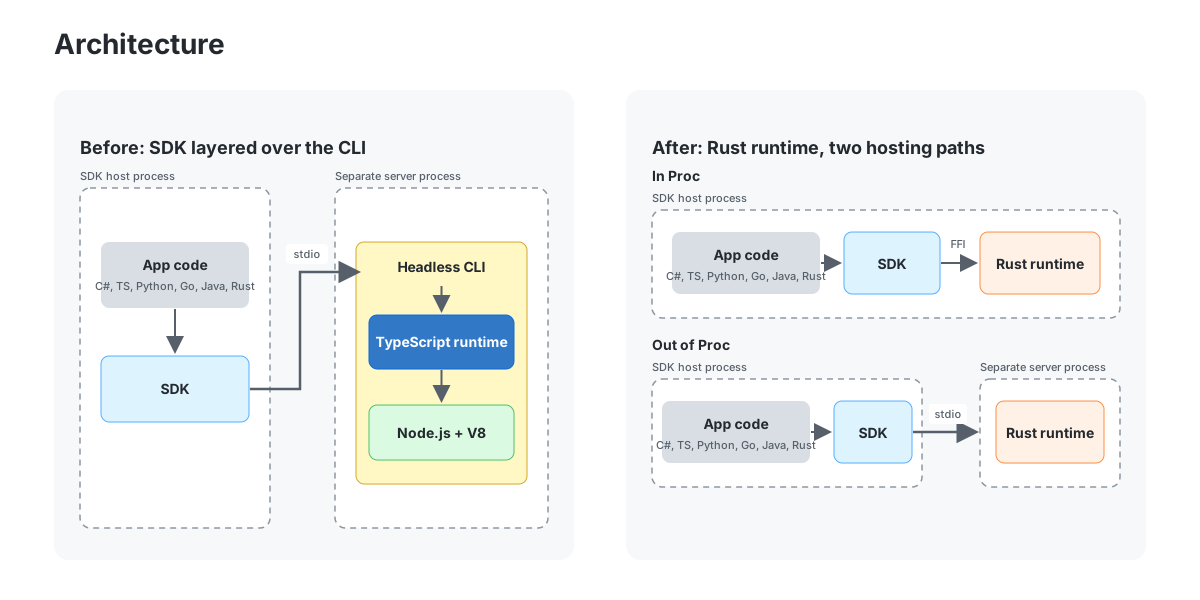
Migrating the GitHub Copilot runtime to Rust, using Copilot
GitHub BlogStephen Toub
The GitHub Copilot CLI , GitHub Copilot app , and GitHub Copilot SDK are all backed by the Copilot agent runtime, an agentic harness that can be embedded into applications and services. It was originally written in TypeScript on Node.js and the V8 JavaScript engine for what is no

How to Use AI Agents to Prepare 3D Scenes for Simulation
NVIDIA Developer Blog
Agentic AI workflows can be used to prepare and validate digital twins for physical AI systems. Agents can inspect 3D scenes, author simulation-relevant data in... Agentic AI workflows can be used to prepare and validate digital twins for physical AI systems. Agents can inspect 3

TensorRT Edge-LLM Completes the MLPerf Edge Agentic Benchmark 6.4x Faster on Jetson AGX Thor
NVIDIA Developer Blog
AI agents are moving from cloud data centers to vehicles, robots, and other edge devices. Unlike a chatbot that answers a single prompt, an agent works through... AI agents are moving from cloud data centers to vehicles, robots, and other edge devices. Unlike a chatbot that answe
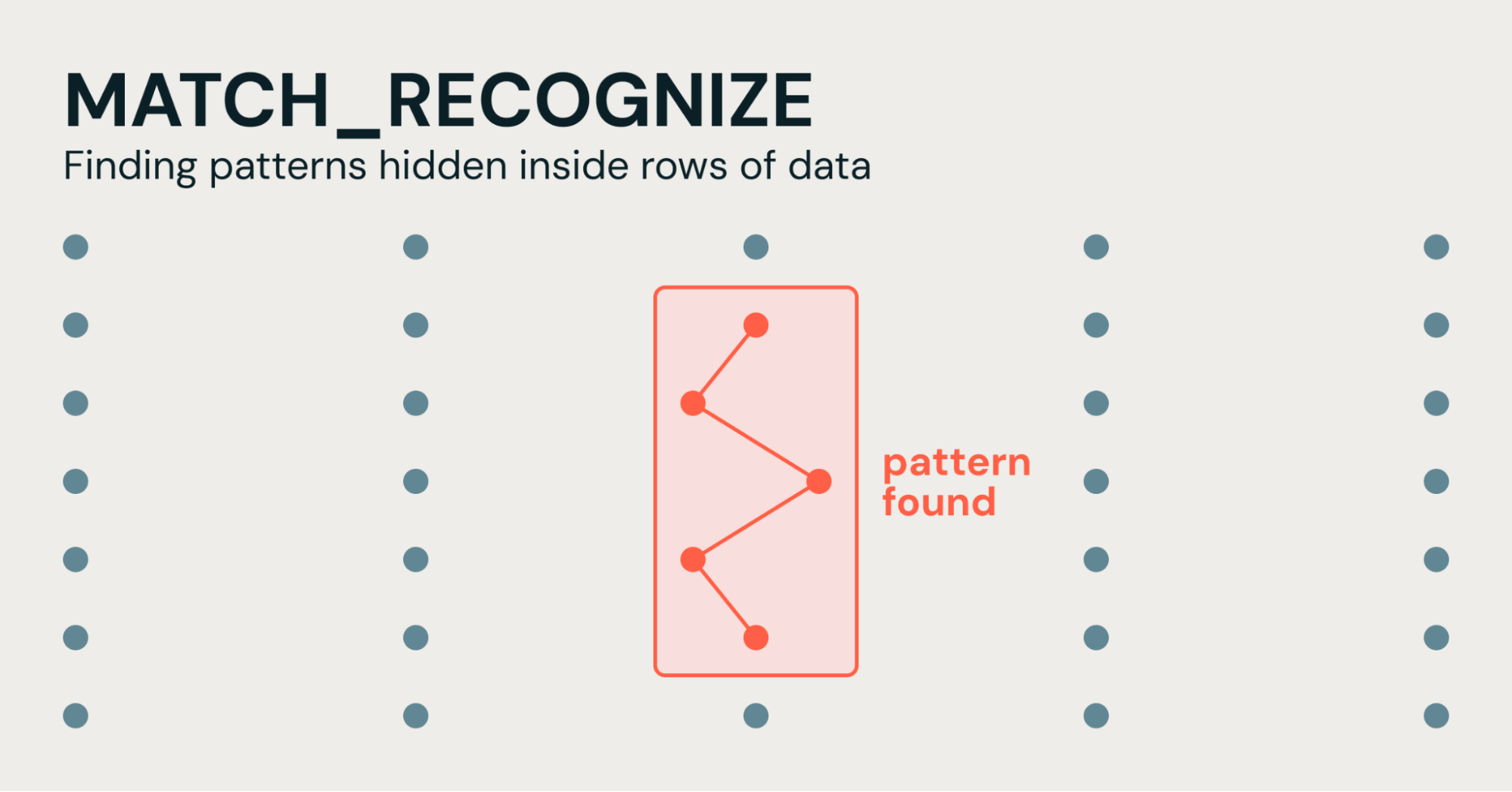
"Regex for Rows": Simplifying Pattern Detection in SQL with MATCH_RECOGNIZE
Databricks Blog
Imagine you work in cybersecurity and you have a table that tracks login attempts...

Translating CUDA Tile Operations from Python to Rust Using Agentic AI
NVIDIA Developer Blog
cuTile Rust (cutile-rs) is a tile-based system for safe, idiomatic GPU kernel authoring in the Rust programming language. Extending the Rust ownership model to... cuTile Rust () is a tile-based system for safe, idiomatic GPU kernel authoring in the Rust programming language. Exte
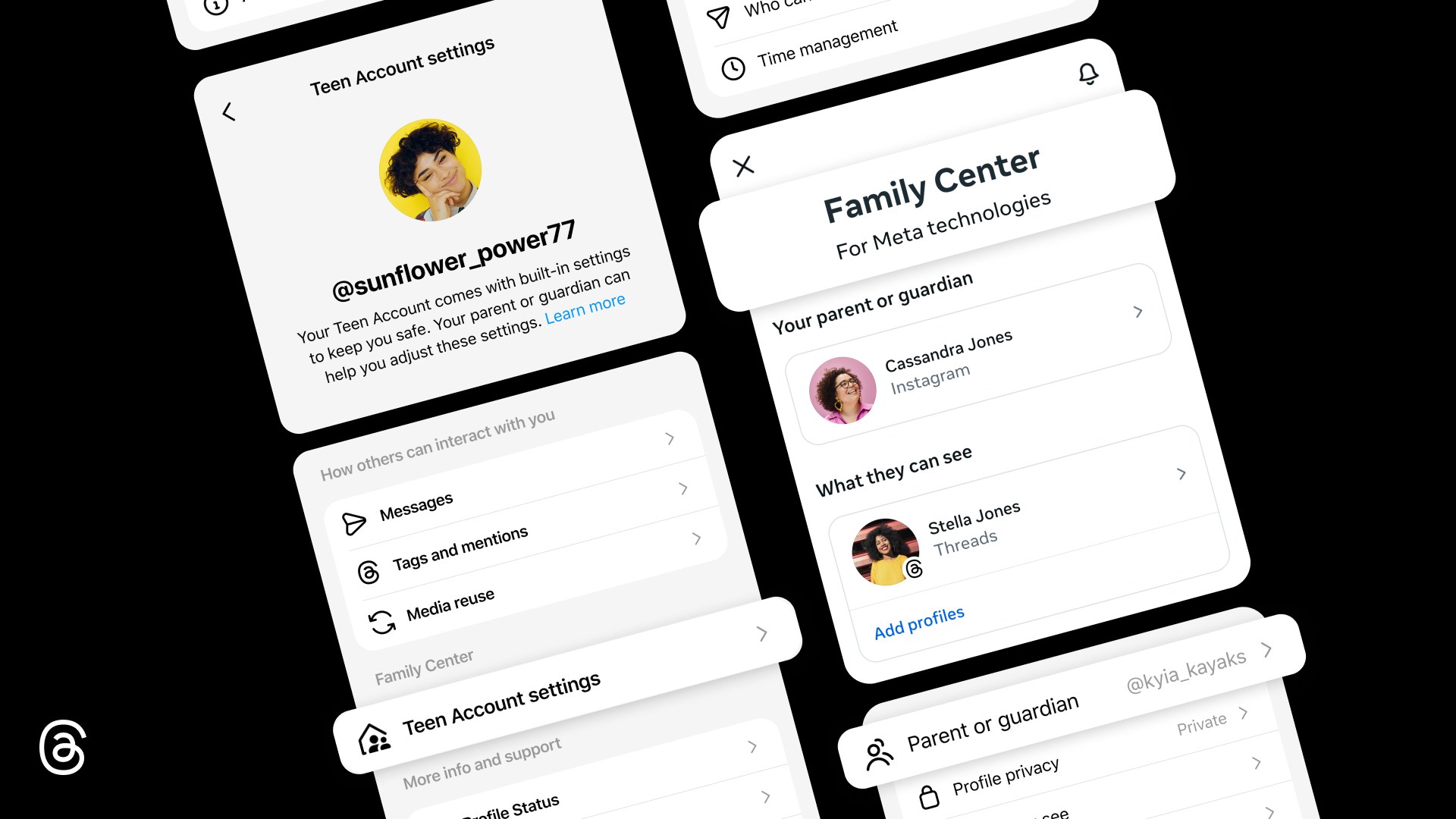
Threads Introduces Parental Supervision for Teens in APAC
Meta NewsroomFacebook
As part of our ongoing commitment to providing parents with helpful tools to support their teens across Meta’s apps, we’re bringing parental supervision to Threads. Starting this week in Asia Pacific countries, parents and guardians in Family Center will have visibility and contr