Intelligence was yours.
Official announcementDigitalOcean Blog
Intelligence is yours. Let's keep it that way.
Intelligence was yours . A founder’s intellectual property, business logic, differentiation, their intelligence, was once theirs alone. You built it, you owned it, and no tools/platform vendor stood between you and your customers. This is no longer clear. It is starting to look l
.svg)
A founder’s intellectual property, business logic, differentiation, their intelligence, was once theirs alone. You built it, you owned it, and no tools/platform vendor stood between you and your customers.
This is no longer clear. It is starting to look like it is “theirs.”
Intelligence can now be manufactured: the models, the agents and the harnesses that drive them, and the compute they run on. Providers who own all these can produce the application, and the differentiation, in every industry.
That power runs the risk of becoming increasingly concentrated in a handful of companies. The race for the application layer is not about interfaces or go-to-market; it is a fight over who owns the intelligence layer itself.
We have seen this before but we must act before its too late. Linux started behind Unix and Windows and now runs most of the world’s servers. PostgreSQL and MySQL started behind Oracle and now underpin most new software. Kubernetes arrived after proprietary orchestrators and made them irrelevant. Each began less capable and won anyway: builders could see inside it, run it anywhere, and never had to ask permission.
The same is happening now. Open weight models have repeatedly reached the frontier this past year. Open harnesses like OpenCode have grown to tens of trillions of tokens a day. Hermes reached more than 200,000 GitHub stars in five months, a milestone that took React a decade to achieve. Along with the near total adoption of open source data technologies, this collection of open technologies power an Open Intelligence movement.
Open Intelligence restores the order. It returns to founders ownership of what makes their companies theirs.
Founders should be free to build without tying their future to a single intelligence provider: their choice of agents, harnesses, data technologies, models, and infrastructure, with open source transparency, control, and competition keeping every layer honest.
The stakes go beyond business. This week Dario Amodei, Sam Altman, Elon Musk, and others appealed for stronger AI safety measures and a slower frontier pace. We take that seriously; openness is part of the answer. Closed systems ask the world to trust a handful of companies to grade their own work. Open ones can be inspected, evaluated, and improved by everyone. Transparency is not the enemy of safety; it is a precondition for it.
DigitalOcean has been an open source company from day one. We started with a Linux server anyone could afford when the proprietary cloud was the default. We maintain over 300 open source repositories; run dozens of open source products as managed services, including Linux, Kubernetes, PostgreSQL, vLLM, and open models such as Nemotron, Gemma, and Kimi K3; and have published thousands of free tutorials used tens of millions of times. We also steward the largest open source hackathon in the world: Hacktoberfest has hosted millions of developers driving millions of contributions. That is not marketing. It is a decade-plus commitment to the people who keep open source alive. Hacktoberfest returns this October, and we will back it as long as people build in the open.
As Clément Delangue put it: “Open-source AI is at an inflection point. Thanks to the community, we’ve shown that it can be a complement, and even an alternative, to closed-source APIs. But for it to happen at larger scale, it needs more compute, more support, more collaboration and more visibility.”
We have committed our resources to Open Intelligence and are calling on the ecosystem to join us.
On October 12 and 13 in San Francisco, we will host the first Open Intelligence Summit, with three tracks. Build: creating open intelligence, from models and agents to harnesses and data technologies. Serve: delivering it, from inference and routing to the economics of tokens at scale. Run: operating it, with the infrastructure, security, and reliability that turn open technology into durable businesses. Open Intelligence is not just open weight models. It is an open intelligence stack, top to bottom, from infrastructure through models to the agents and applications above.
Building any layer of that stack? Come share it. Want to run on it? Come meet the people behind it. Believe intelligence should stay open? Come push it forward.
[Join us at the Open Intelligence Summit](/open-intelligence-summit), October 12 and 13, in San Francisco.
Intelligence is yours. Let’s keep it that way.
Related stories
Official announcement
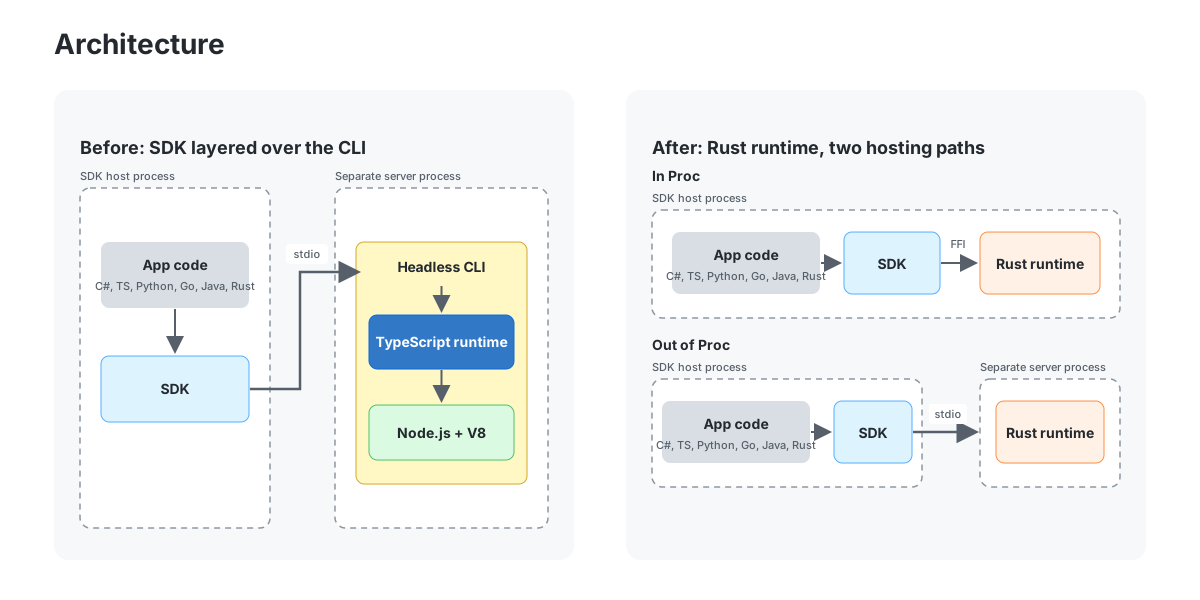
Migrating the GitHub Copilot runtime to Rust, using Copilot
GitHub BlogStephen Toub
The GitHub Copilot CLI , GitHub Copilot app , and GitHub Copilot SDK are all backed by the Copilot agent runtime, an agentic harness that can be embedded into applications and services. It was originally written in TypeScript on Node.js and the V8 JavaScript engine for what is no

Official announcement
How to Use AI Agents to Prepare 3D Scenes for Simulation
NVIDIA Developer Blog
Agentic AI workflows can be used to prepare and validate digital twins for physical AI systems. Agents can inspect 3D scenes, author simulation-relevant data in... Agentic AI workflows can be used to prepare and validate digital twins for physical AI systems. Agents can inspect 3

Official announcement
TensorRT Edge-LLM Completes the MLPerf Edge Agentic Benchmark 6.4x Faster on Jetson AGX Thor
NVIDIA Developer Blog
AI agents are moving from cloud data centers to vehicles, robots, and other edge devices. Unlike a chatbot that answers a single prompt, an agent works through... AI agents are moving from cloud data centers to vehicles, robots, and other edge devices. Unlike a chatbot that answe
Official announcement
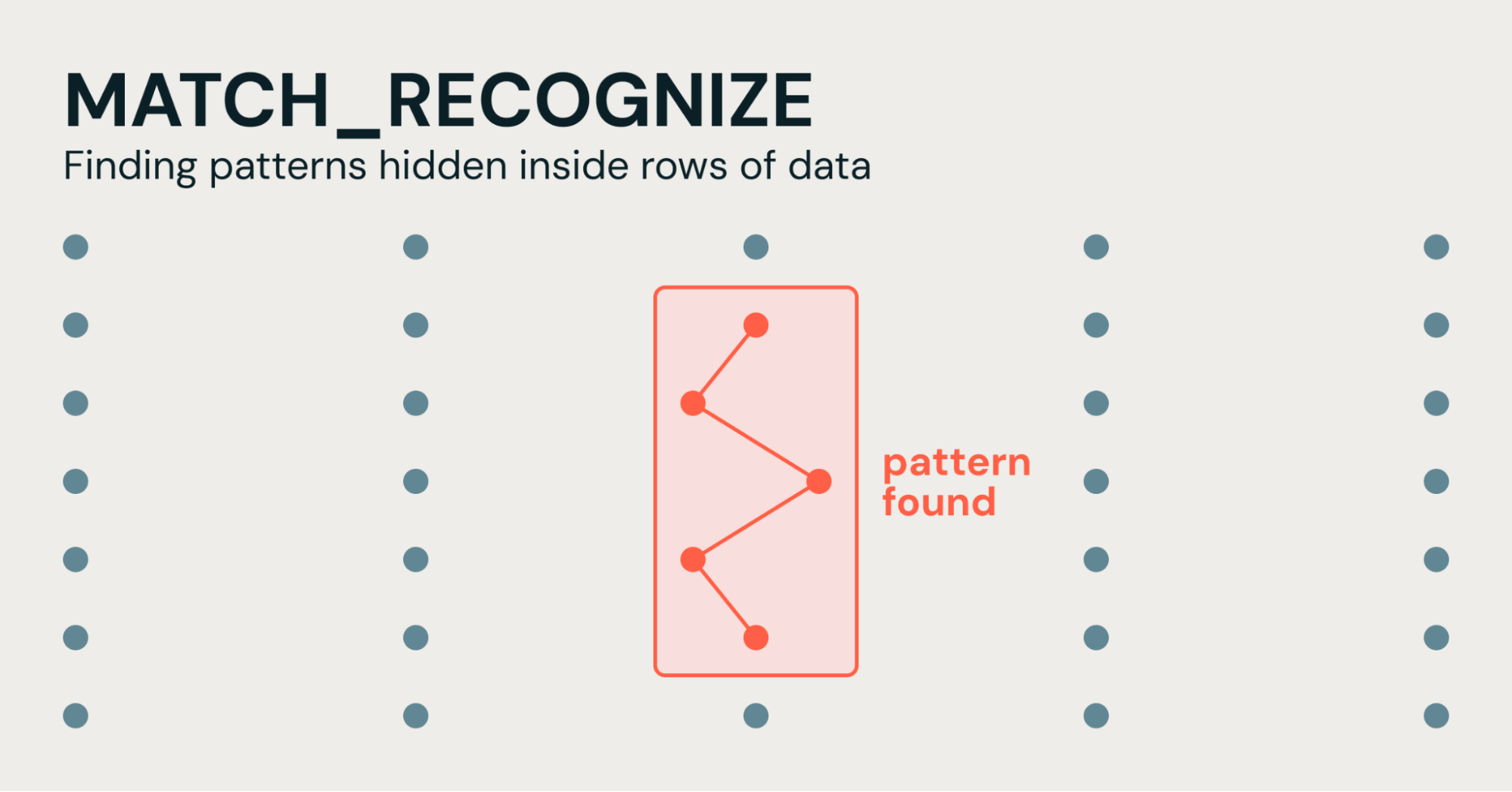
"Regex for Rows": Simplifying Pattern Detection in SQL with MATCH_RECOGNIZE
Databricks Blog
Imagine you work in cybersecurity and you have a table that tracks login attempts...

Official announcement
Translating CUDA Tile Operations from Python to Rust Using Agentic AI
NVIDIA Developer Blog
cuTile Rust (cutile-rs) is a tile-based system for safe, idiomatic GPU kernel authoring in the Rust programming language. Extending the Rust ownership model to... cuTile Rust () is a tile-based system for safe, idiomatic GPU kernel authoring in the Rust programming language. Exte

Official announcement
Dell PowerStore AI Skills: Smarter Storage Operations
Dell Blog
See how AI skills with pstcli let admins manage Dell PowerStore in natural language – with faster health checks, performance analysis, and secure operations.